Buddhist Dieties

The religion of Buddhism generally does not believe in the existence of multiple gods and deities. As per the doctrines, the gods are more of fortunate humans who possess more powers and abilities than average humans. Although these powers are restricted, these gods and deities represent certain aspect of Buddhism and are transient beings. These beings lead humans and other sentient beings in the path of enlightenment. In the Buddhist arts, these deities have been a notable feature in the artifacts coming from Mahayana and Vajrayana Buddhism. In simpler term, these deities, also called as wrathful deities, are the alternate manifestation of Bodhisattvas, who normally are peaceful figures. Their representation can particularly seen in Tibetan Buddha statues and Buddhist arts.
The supernatural powers these gods posses, give them longer lives than their human counterparts. They live in a much happier realms offering more luxurious life. Alongside humans, these deities are also subject to Karma and partake in the cycle of birth and death. Mahayana Buddhism dominates the Buddhist arts of these deities. Though Theravada Buddhism is largely atheistic in nature, it does not deny the existence of any divine beings. The most popular deities of Buddhism include the Buddha himself, the laughing Buddha, Green and White Taras, Avalokiteshvara, and many more. Let us take a look into few of the Buddhist deities.
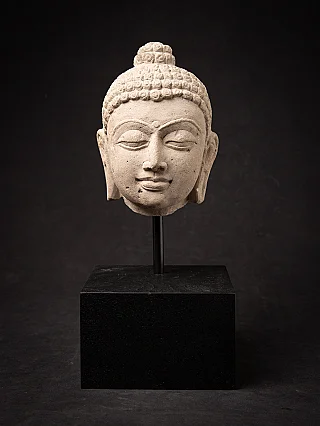
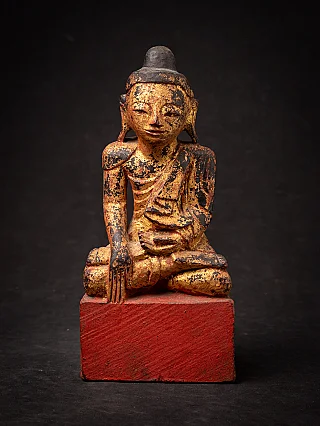
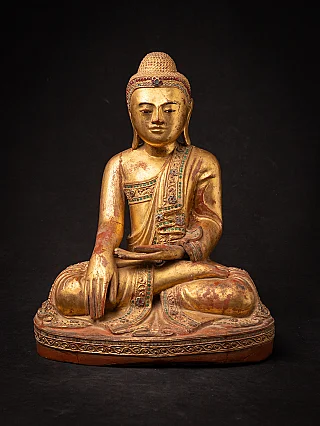
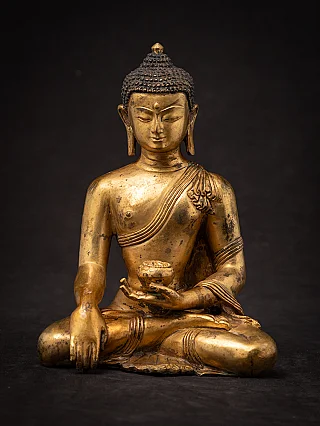
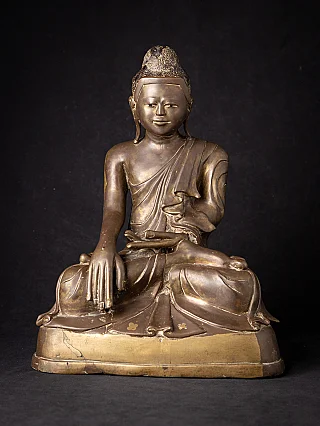
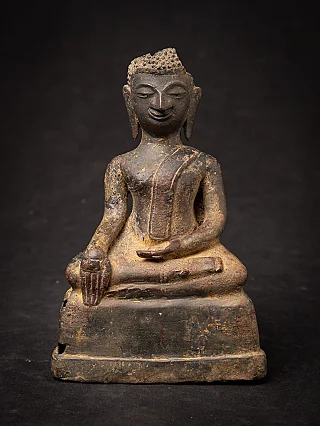
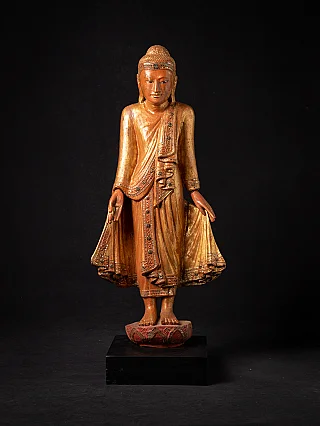
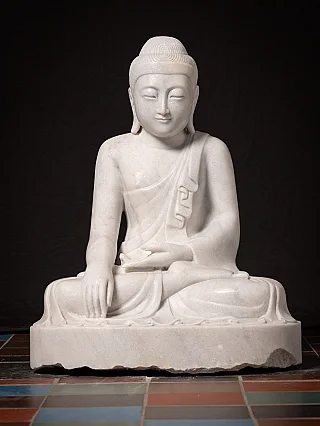
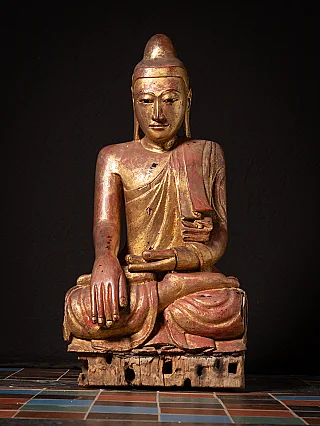
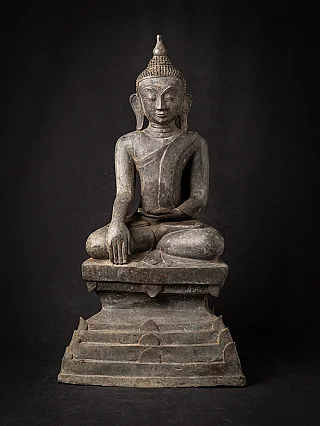
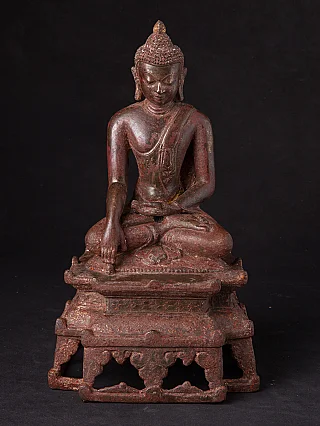
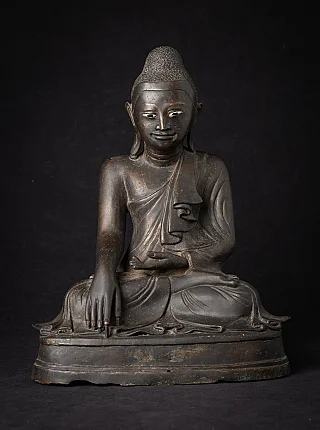
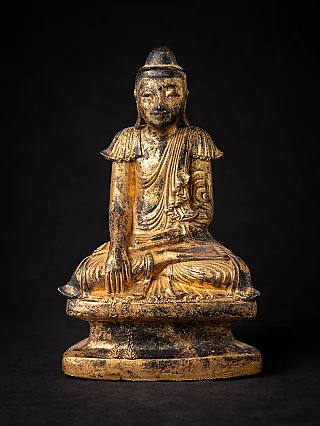
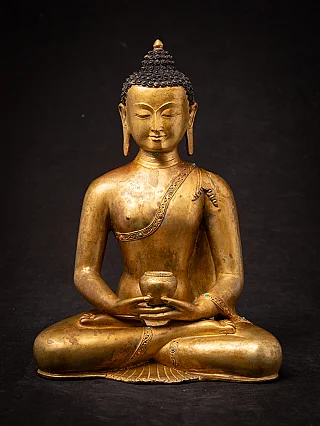
The Buddha – The Buddha category is of the highest stature in Buddhism. Buddha is never used as a name, but more as a title or a term used in respect.
The Buddha i.e. Gautama Buddha lived around 500 BC and is widely revered all around the world. The Buddha’s iconography i.e. Buddha statues have had a notable presence in the field of Buddhist arts. Apart from The Buddha, other Buddhas are Dipankara Buddha, The Five Dhyani Buddhas, The Laughing Buddha, The Medicine Buddha and many more.
Avalokitesvara – Also known as Guan Yin in Chinese, Avalokiteshvara has the largest number of forms among all the Buddhist deities. He is the most popular of the Buddhist deities apart from the Buddha himself. Avalokiteshvara is known from the very early period of Mahayana Doctrines. His followers spread from India to South East Asia (where it met a great success) and in Nepal, Tibet. These countries had their own versions of Avalokitesvara and the iconographies have their own style of representation.
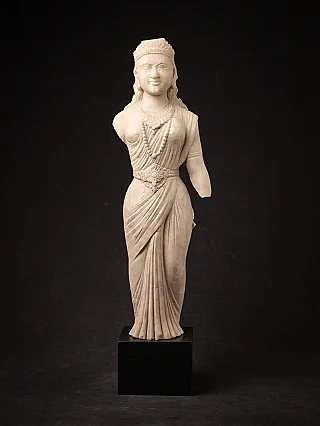
The Taras – The fourth century AD introduced the feminine principle in Mahayana Buddhism. The goddess Taras were considered as the Shakti of Avalokiteshvara and sometimes even as his wives. They were not accepted by the followers of Theravada Buddhism. The Taras gained massive popularity in Nepal following the Tibetan King Tsrong Tchong Gampo’s (who is also considered as the incarnation of Avalokiteshvara) marriage to a Nepali Princess named Bhrikuti (Green Tara). The statues of Green tara is usually shown with a half open lotus representing night. Meanwhile the White tara holds a lotus in full bloom symbolizing broad daylight.
The Green Tara represents virtuosity while the White Tara symbolizes attitude of calm and grace. Together, these Taras represent the love and compassion of the goddesses whose chief goal is to eliminate the sufferings of all the sentient beings.
Beside the Green and the White taras, there are some other Taras too. These taras are shown in various Tibetan Buddhist temple banners in 21 varities of colors. These Taras are usually shown in Tibetan Thangkas grouped around a central Green Tara.
Manjushri – Manjushri is the Bodhisattva of insight and intuition. His name means the “One who is noble and gentle”. He is widely revered in Vajrayana Buddhism and is popular in Tibet and Nepal. The statues and Buddhist arts of Manjushri are usually depicted as a young man who is pure and innocent. He is shown as resting on a lotus or riding a fierce lion. He also carries the Vajra (the lightening sword), which slices through ignorance and granting liberation. Similarly on his other hand, he holds a scroll representing the holy text of the Prajnaparamita.
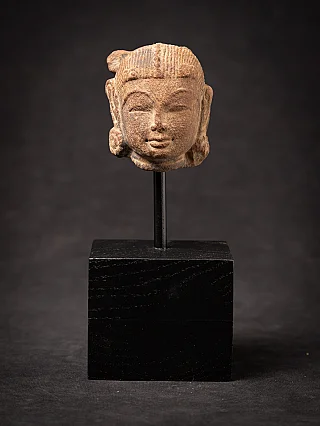
The other popular deities of Buddhism are Yama (the god of death), Mahakala (the great black one), Kubera, Palden Lhamo, Brahma, etc. The statues are these Buddhist deities, specially the antique statues represent the essence of the meanings the god represent in Buddhism. If you are looking for the statues of the Buddhist Deities, feel free to visit our online Buddha statues shop.
Share this page
-small_webp.webp)